


Foreign students in Bangkok can rent a condo with a valid passport—no ED visa, work permit, or school enrollment letter is required by landlords. The only rental requirement is a signed lease and a deposit. Your landlord must then file a TM30 form within 24 hours of your arrival, a legal requirement under the Thai Immigration Act that directly affects your ED visa extension at Chaeng Watthana. At GEOS, our 20+ years of ED visa processing and partnership with RE Property Bangkok means students secure accommodation with TM30 requirements communicated to the landlord before their first Immigration appointment. Missing TM30 documentation is one of the most common reasons Bangkok immigration officers flag extension applications for additional review. Here is exactly how the rental process works for foreign students in Bangkok.
Your first Bangkok apartment viewing goes well. The condo is clean, the price is right, and the landlord seems agreeable. You sign the lease, hand over the deposit, and move in. Three months later, you sit down at Chaeng Watthana Immigration to extend your ED visa. The officer asks for your TM30 receipt. You do not have one.
This is the situation no one warns foreign students about. This guide covers the full rental process—from searching for a condo to understanding why TM30 compliance protects your visa status.
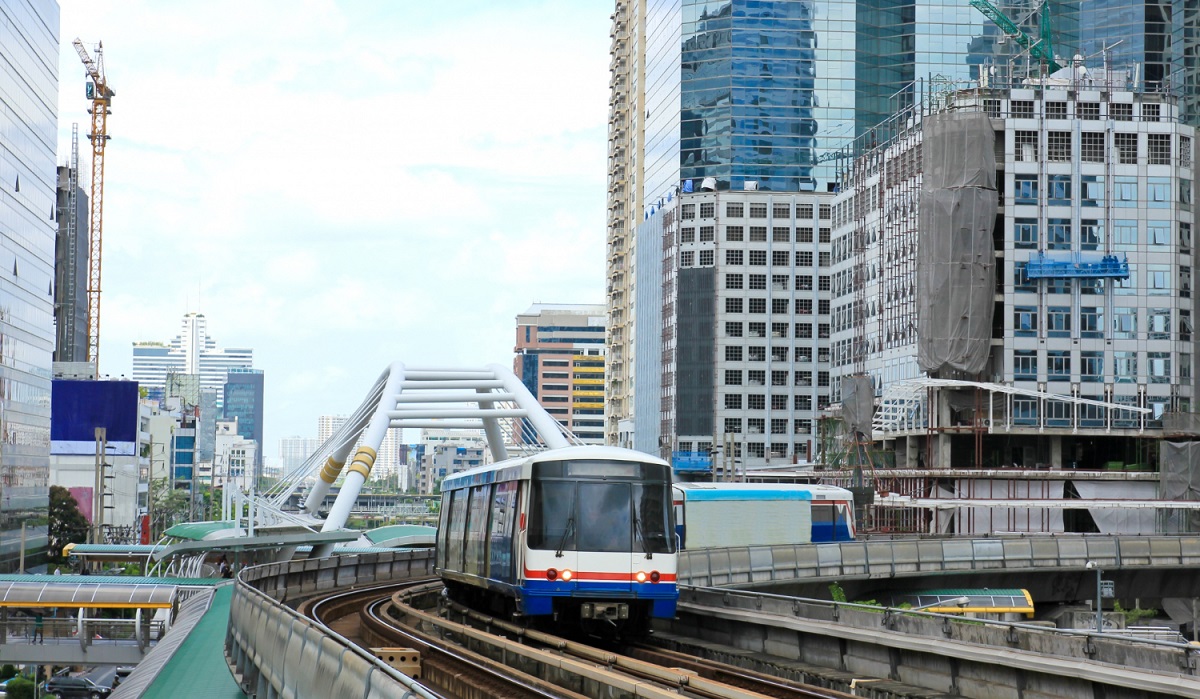
Most foreign students rent condominiums rather than apartments or houses. Price varies significantly depending on location, size, and building age.
Practical things to prioritize:
To rent a condo in Bangkok, you need your passport. That is the primary document landlords ask for. Some landlords may also request a copy of your current visa stamp, but this is not universal—foreigners on tourist visas, visa exemptions, and ED visas all rent condos in Bangkok without issue.
You do not need a work permit, a school enrollment letter, or proof of income. Some landlords ask for proof of funds informally, but there is no standard requirement.
At GEOS, we provide students with a formal enrollment letter for Immigration purposes. This is not required for renting but may be useful if a landlord asks for additional context on your status in Thailand.
Standard Bangkok rental costs:
RE Property sources a minimum of 10 condo options, schedules viewings, and accompanies students alongside GEOS staff for on-site negotiations. As part of the process, RE Property communicates TM30 registration requirements directly to the landlord, reducing the chance your landlord files late or skips it entirely.
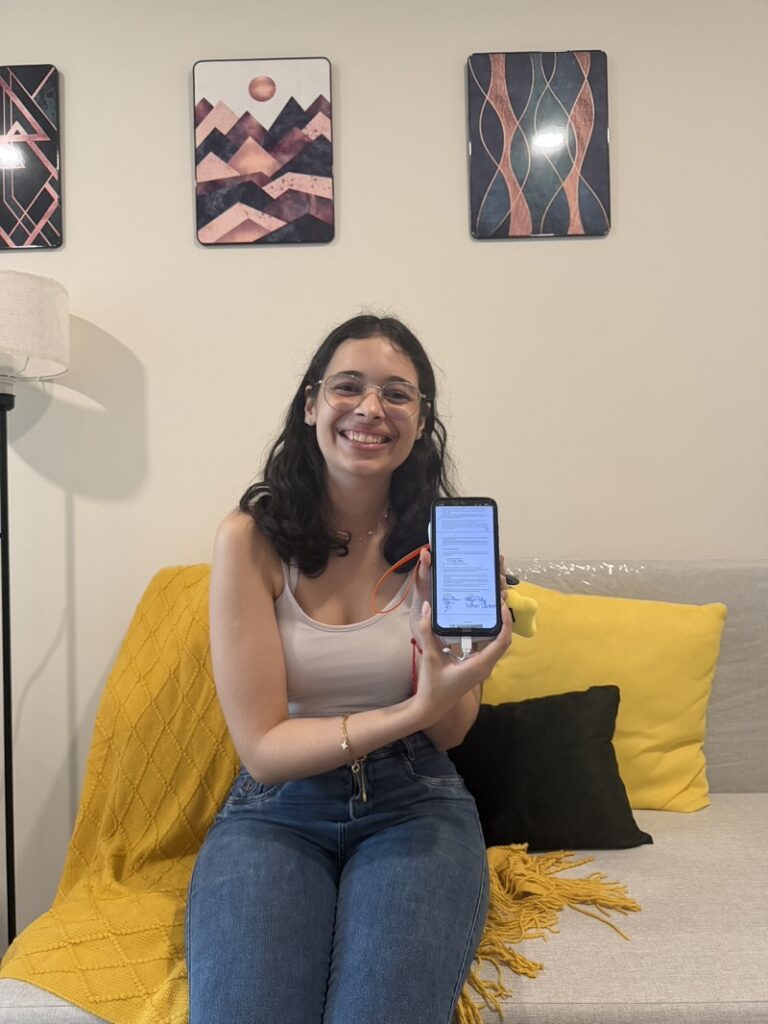
Signing a Bangkok lease commits you to a minimum term—usually six or twelve months. Review these points before you sign:
Most Bangkok language schools enroll you and leave you to find your own apartment. GEOS has a formal partnership with RE Property Bangkok to offer students a supported search from enquiry to move-in.
The process starts with a short form sent via LINE. This covers the basics the agent needs to source the right options:
Budget is confirmed first. The minimum budget GEOS works with is 10,000 THB per month. Below that, finding a well-located, BTS-accessible condo becomes difficult. Once budget and requirements are confirmed, RE Property sources options and sends photos and details online for the student to review. Students take as long as they need, though most want to move in quickly.
Once a student has selected a preferred unit, GEOS staff and a RE Property agent accompany them to the viewing. If they decide they want it, one month’s advance rent is paid on the day to secure the room. Students need to have this with them—the condo cannot be held without payment.
Move-in is typically available within two days of the viewing. View on Tuesday, move in on Thursday—one day is needed to prepare the unit.
The two months’ security deposit is paid on move-in day or at contract signing. Total upfront cost: three months’ rent.
As part of the process, RE Property communicates TM30 registration requirements directly to the landlord before you move in.
You do not need a work permit to rent a condo in Bangkok. You do not need an ED visa either — foreigners can rent with a valid passport regardless of their visa type. A work permit is only required if you are employed in Thailand. For renting purposes, your passport is the only document landlords consistently require.
Most Bangkok landlords require a 12-month lease. Six-month contracts exist but are less common, and many landlords simply will not offer them. One-month or 30-day rentals are not an option for standard condominiums—Thai law restricts non-hotel rentals under 30 days, and landlords expect a longer commitment. If you are looking for short-term flexibility, serviced apartments are the alternative, but they come at a higher monthly cost.
No. A Thai bank account is not required to rent a condo in Bangkok. Most landlords accept cash or international bank transfer for deposit and rent payments. That said, opening a Thai bank account simplifies monthly payments and is something GEOS helps students prepare for.
If your landlord has not filed a TM30, Chaeng Watthana Immigration will not process your ED visa extension. GEOS students using RE Property Bangkok have TM30 requirements communicated to the landlord before move-in—for the full filing process and what to do if your landlord refuses, read our complete TM30 guide.
The standard structure is one month advance rent paid on the day of viewing to secure the room, and two months security deposit paid on move-in day or at contract signing. Total upfront cost is three months’ rent. Have the advance rent available on the day of the viewing—the unit cannot be held without it.
Yes. Hotels and serviced apartments are legally required to file TM30 notifications for every foreign guest. If you stay in a hotel, the front desk handles this automatically. Request a copy of the TM30 receipt if you are staying for an extended period and have an upcoming Immigration appointment.
Finding the right condo in Bangkok is straightforward when you know the process. The rental market is well-established for foreign students, and landlords near major language schools are familiar with ED visa holders. The step most students overlook is TM30—and it is also the step that matters most for your visa extensions.
At GEOS, our partnership with RE Property Bangkok means students arrive with their accommodation sorted and TM30 in place before their first appointment at Chaeng Watthana Immigration. After processing ED visas for over 20 years, we know which documentation problems slow extensions down—and TM30 is near the top of that list.
If you have questions about accommodation, visa documentation, or starting your Bangkok study program, contact us and we will walk you through the process before you arrive.
Explore our collection of captivating articles, each offering a unique perspective
GEOS Thailand is conveniently located in the heart of Bangkok, close to Asoke BTS and Sukhumvit MRT stations.
enquiry@geosthai.com